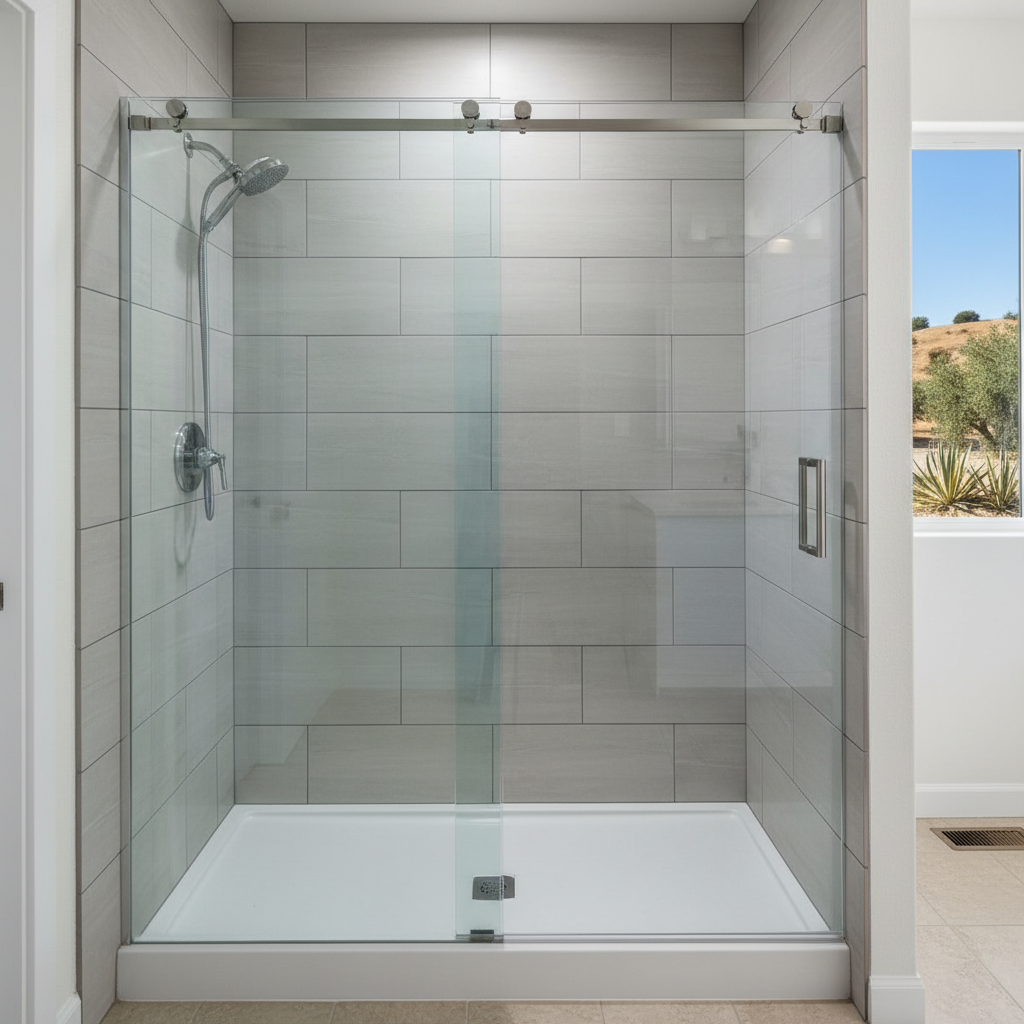
So, You Just Got a New Shower. Now What?
You've invested in a brand-new shower, maybe you even worked with us at Pomona Bathroom Solutions. That's fantastic! But getting it installed is only half the battle. If you want that fresh, clean look and reliable performance to last, you've gotta put in a little effort. It's not a ton of work, but it's consistent work. Think of it like taking care of your car; you wouldn't just drive it without ever changing the oil, right? Same deal with your shower.
Here in Pomona, especially with our hard water and sometimes dusty Santa Ana winds, things can get grimy fast if you're not on top of it. That hard water leaves mineral deposits that can etch glass and dull finishes quicker than you'd think. So let's talk about how to keep your investment shining.
Extend Your Shower's Lifespan: Daily Habits
The best way to keep your shower looking new and prevent big problems down the road is with a few simple daily habits. Seriously, these take minutes.
- Squeegee After Every Use: This is huge, especially for glass doors. Our water here in Southern California is hard, meaning it's packed with minerals. If you let that water dry on your glass, those minerals leave spots that are a pain to get off later. A quick squeegee after every shower prevents buildup and keeps your glass sparkling.
- Wipe Down Surfaces: Give the walls, fixtures, and pan a quick wipe with a soft cloth or towel. This removes standing water and soap scum before it hardens.
- Ventilate, Ventilate, Ventilate: This is critical. Always run your bathroom fan during and for at least 15-20 minutes after your shower. If you have a window, open it up. Good ventilation prevents mold and mildew from growing in grout lines and silicone seals, which is a major headache to deal with once it starts.
- Use the Right Cleaners: Stick to non-abrasive, pH-neutral cleaners. Harsh chemicals can damage finishes, especially on natural stone or certain metals. If you're unsure, warm water and a mild dish soap usually do the trick for daily cleaning.
Regular Maintenance: Once a Week or So
Beyond the daily stuff, you'll want to do a slightly deeper clean every week or two.
- Deep Clean Surfaces: Use a dedicated shower cleaner that's safe for your specific materials (tile, fiberglass, acrylic, natural stone). Pay attention to grout lines. For stubborn hard water spots on glass, a mix of white vinegar and water can work wonders, but always test in an inconspicuous spot first.
- Clean the Drain: Hair and soap scum build up fast. Use a drain protector to catch hair, and every couple of weeks, remove any debris. A mix of baking soda and vinegar followed by hot water can help keep drains clear, but don't pour harsh chemical drain cleaners down there unless absolutely necessary, as they can damage pipes.
- Check Grout and Caulk: Look for any signs of cracking, crumbling, or discoloration in your grout and caulk lines. These seals are what keep water from getting behind your walls. If you see issues, address them quickly.
Warning Signs of Trouble
Even with good maintenance, things can happen. Knowing what to look for can save you from bigger, more expensive problems down the line.
- Persistent Leaks: Any water outside the shower pan or dripping from the ceiling below (if you're on a second story) is a red flag. Don't ignore it. It usually means a seal has failed or there's a crack somewhere.
- Mold and Mildew: A little bit in a corner might be manageable, but widespread, recurring mold, especially if it's black and deep-seated in the grout, indicates a moisture problem or poor ventilation.
- Cracked or Missing Grout/Caulk: As I mentioned, these are your water barriers. If they're compromised, water can seep into your walls, leading to rot, mold, and structural damage.
- Slow Draining or Odors: A perpetually slow drain means a clog is forming. Foul odors often point to bacterial buildup in the drain or a deeper plumbing issue.
- Water Pressure Changes: If your shower suddenly has weak pressure, it could be a clog in the showerhead, an issue with the valve, or a larger plumbing problem in your home.
When to Call a Professional
Look, I'm a big believer in DIY when it makes sense, but some things are best left to the pros. You call us at Pomona Bathroom Solutions for a reason, right?
- Any Sign of a Leak: If you suspect water is getting behind your walls or under your floor, call someone immediately. Water damage is no joke, and it gets expensive fast.
- Major Grout or Tile Damage: If large sections of grout are missing, or tiles are loose, cracked, or falling off, that's beyond a simple fix. You might have underlying water damage.
- Plumbing Issues Beyond a Simple Clog: If your drain is still slow after trying basic remedies, or if you have persistent low water pressure, it's time for a plumber.
- Recurring Mold/Mildew: If you're cleaning regularly and still battling widespread mold, it suggests a deeper ventilation or moisture problem that needs expert assessment.
- Anytime You're Unsure: Seriously, if you're scratching your head, or you're worried you might make things worse, just pick up the phone. It's better to get an expert opinion early than to wait until a small problem becomes a huge, costly repair. We've seen it all, from minor fixes to full-blown structural repairs because someone waited too long. Don't be that person.