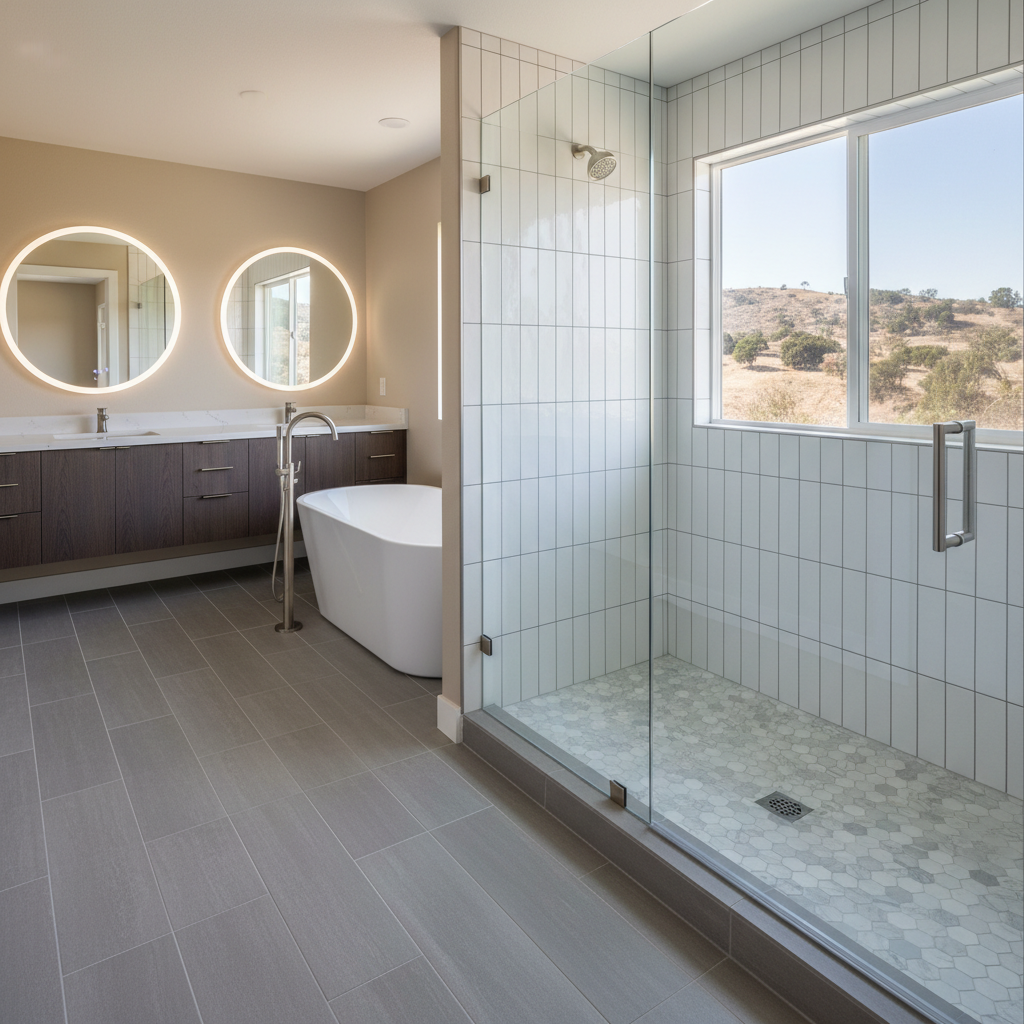
Don't Get Tripped Up: Common Flooring & Tile Mistakes I See
So, you're thinking about upgrading your floors or putting in some new tile, huh? That's great. A fresh look can totally change a space. But after all these years, I've seen enough projects go sideways to know there are some common traps homeowners fall into, especially right here in Pomona. You want your investment to really pay off, not just in how it looks, but in how long it lasts. Let's talk about what you need to watch out for.
Mistake #1: Picking Style Over Substance (Especially for Floors)
I totally get it. You see that gorgeous, trendy tile or hardwood online, and you're already picturing it in your living room. But hold on a minute. Is that floor going into a high-traffic area? Do you have kids, pets, or both? And what about the moisture levels in your bathroom or kitchen?
Here in Pomona, we get those hot, dry Santa Ana winds, but we also deal with humidity, especially near the foothills. That can really affect how certain materials behave. For example, putting a delicate, porous tile in a busy entryway where dirt and moisture get tracked in daily? You're basically signing up for constant cleaning or premature wear. Or maybe you're thinking about real hardwood in a kitchen. It can look fantastic, sure, but you better be ready for the upkeep and the potential water damage if there's a leak. Think about how you actually live in your home, not just how it looks in a magazine. Your contractor should be asking you these kinds of questions, not just nodding along to your Pinterest board.
Mistake #2: Skipping the Prep Work (The Foundation is Key!)
This is a huge one, and it's where a lot of contractors try to cut corners just to give you a lower bid. But let me tell you, poor prep work will absolutely come back to haunt you. You can have the most expensive, beautiful tile in the world, but if the subfloor isn't level, clean, and structurally sound, it's going to crack, lift, or squeak. It's not a question of 'if,' but 'when.'
For tile, that means making sure the subfloor is perfectly flat and rigid enough. Sometimes it needs an extra layer of plywood, or a self-leveling compound. For wood or laminate, moisture testing is super important. If there's too much moisture coming up from the slab, your new floor will cup, buckle, or warp. Don't let anyone tell you they can just slap new flooring over an uneven or compromised surface. It's like trying to build a house on sand. Insist on proper subfloor inspection and preparation. It might add a little to the upfront cost, but it'll save you a huge headache and expense down the road, believe me.
Mistake #3: Going with the Lowest Bid Without Asking Questions
Everyone wants a good deal; I respect that. But when it comes to something as permanent as your flooring or tile, the cheapest bid often ends up being the most expensive in the long run. I've seen it too many times. Homeowners get excited about a low price, only to find out the contractor isn't licensed, isn't insured, uses cheap materials, or just rushes the job.
Before you sign anything, ask for references. Check their license with the CSLB (Contractors State License Board) – it's really easy to do online. Ask about their warranty for both labor and materials. A reputable contractor, like us at Pomona Bathroom Solutions, will stand behind their work. Also, make sure the bid is detailed. What exactly is included? Demolition? Haul-away? Subfloor prep? Grout sealing? If it's vague, that's a red flag. You don't want surprises.
Mistake #4: Not Understanding the Project Timeline and Disruptions
Installing new flooring or tile isn't like painting a wall. It's disruptive. There's noise, dust, and you might lose access to parts of your home for a few days, or even a week or two depending on how big the job is. People often underestimate this. Think about where you'll put furniture, where your pets will go, and how you'll manage if your kitchen or bathroom is out of commission.
A good contractor will give you a realistic timeline and discuss how they'll minimize disruption. They'll talk about dust control, protecting adjacent areas, and daily cleanup. If they just say,